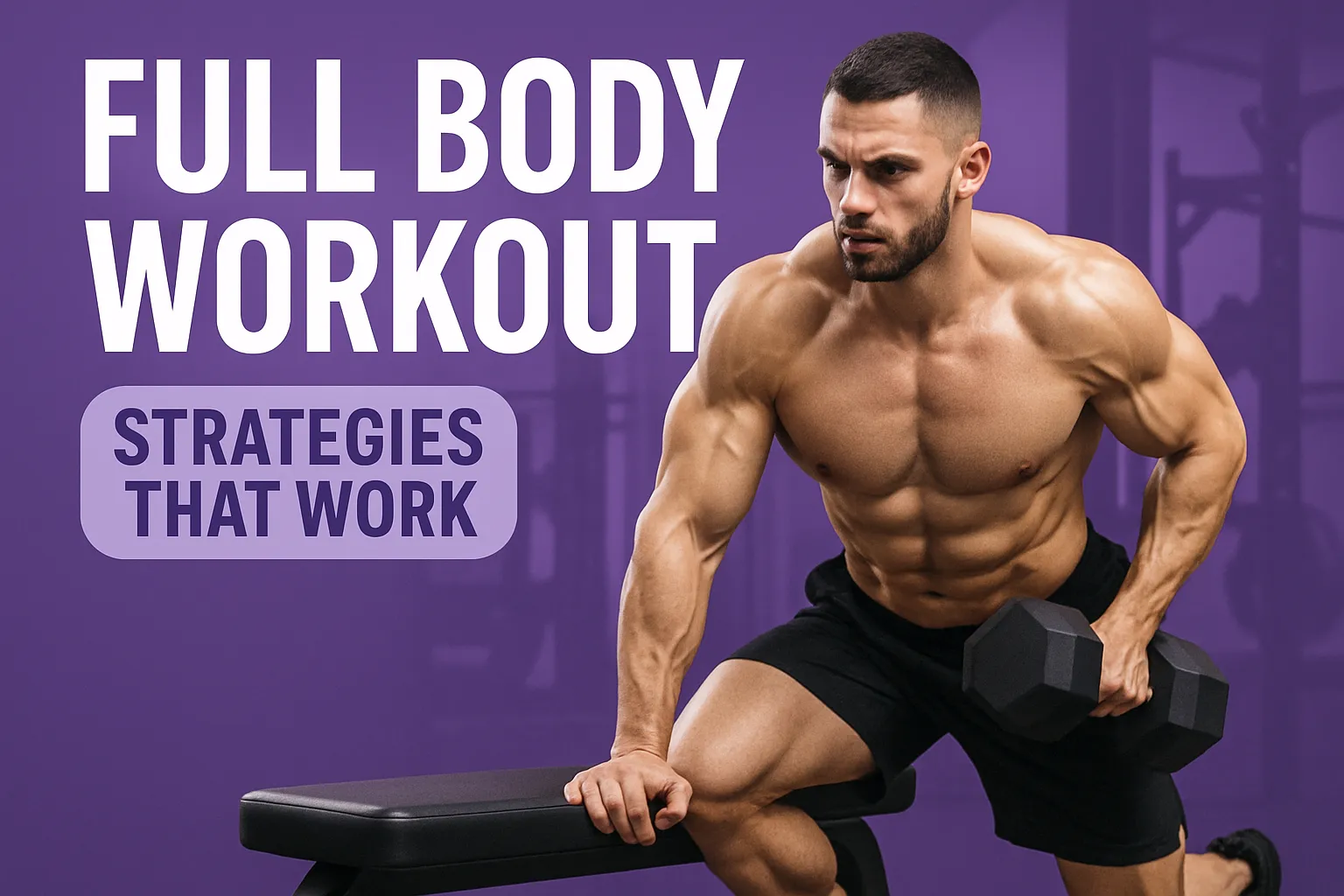
Full Body Workout Strategies That Drive Real Results
Achieving a remarkable body transformation—whether your goal is fat loss, muscle gain, or a powerful combo—demands more than generic fitness advice. To see measurable, lasting changes, you must approach your workouts and nutrition with precision and advanced strategies. In this results-driven guide, we’ll break down proven full body workout strategies backed by expert insights, actionable tips, and the real-world steps necessary to cut fat, build muscle, and revolutionize your physique.
Whether you’re an experienced lifter craving a breakthrough or a driven beginner aiming to accelerate results, these advanced tactics are for you.
Building an Effective Full Body Workout Routine
The reason full body workouts have earned their place in elite circles is simple: they maximize training efficiency, amplify metabolic response, and improve muscle recruitment. Instead of isolating one muscle group per day (the classic “bro split”), advanced full body routines target all major muscles multiple times per week. This increased frequency translates to faster muscle growth and accelerated fat burning—if you commit to the right strategy.
- 3x-per-week frequency: Hit full body sessions on non-consecutive days (e.g., Monday, Wednesday, Friday) to promote optimal muscle recovery and consistent metabolic elevation.
- Compound movements first: Prioritize lifts like squats, deadlifts, bench presses, pull-ups, and rows to recruit maximum muscle fibers and trigger higher testosterone and growth hormone release.
- Load manipulation: Cycle your workouts between heavy (4–6 reps), moderate (8–10 reps), and high-rep (12–15 reps) ranges through the week for balanced strength and hypertrophy, while crushing mental plateaus.
- Intensity techniques: Add supersets, drop sets, slow negatives, or rest-pause sets to increase overall stimulus—especially if you’re short on time or want to break through a plateau.
Example: Let’s say your goal is to gain muscle and lose fat at the same time. Build your week around full-body sessions:
- Monday: Heavy Squat + Bench + Row (4–6 reps)
- Wednesday: Moderate Deadlift + Pull-up + Overhead Press (8–10 reps)
- Friday: High-rep Split Squat + Chest Fly + Face Pull + Farmer’s Carry (12–15 reps)
Nutrition: The Catalyst for Fat Loss and Muscle Gain
Training without a nutrition plan is like revving an engine without fuel. To drive real results, your food choices must align with your fitness objectives. Here’s how elite athletes optimize fat loss or muscle building without sacrificing performance:
- Fat loss: Maintain a consistent calorie deficit (typically 300–500 calories below maintenance). Eat high protein (1.2–1.5g per kg body weight), loads of vegetables, and whole grains. Example: For a 180-pound individual, that’s a minimum of 100g protein daily—think grilled chicken, Greek yogurt, eggs, and whey shakes.
- Muscle gain: Ensure a moderate calorie surplus (200–300 calories above maintenance), but keep protein intake high and don’t skimp on carbs and healthy fats. Well-timed carbs (rice, potatoes, fruit) around training will pump up your energy and recovery.
- Hydration: Dehydration sabotages performance and metabolism. Aim for 3–4 liters water a day, and more if you’re training hard.
- Micronutrient focus: Prioritize magnesium, potassium, and B vitamins for cellular energy and recovery—leafy greens, nuts, seeds, and whole grains deliver these essentials.
Real-world example: Transformation client “Dan” dropped 40 pounds in four months by combining a full-body training shift (3x/week) with a tracked calorie deficit, >140g protein daily, and regular meal prep. His biggest change? Eliminating liquid calories and prioritizing post-workout meals (chicken stir-fry or protein oats).
Advanced Training Tips That Deliver
The little things matter. Here are actionable advanced workout strategies fitness experts use for real-world results:
- Progressive overload reigns: Consistently challenge your muscles with more weight, extra reps, or tighter rest. Track every session. If you squatted 185x5 last week, aim for 190x5 or 185x6 the next.
- Technique over ego: Perfect your form—especially in compound moves—to prevent injury and drive maximal muscle recruitment. Don’t sacrifice range of motion to lift heavier than you can handle.
- Recovery is non-negotiable: Aim for 7–8 hours of quality sleep (essential for muscle repair and metabolism) and incorporate active recovery (walking, stretching, foam rolling).
- HIIT finishers: Cap a workout with 10 minutes of high-intensity interval training (bike sprints, kettlebell swings, or sled pushes) to torch extra calories, raise post-exercise oxygen consumption, and sharpen athleticism.
Step-by-Step Guide: Week 1 of an Advanced Full Body Program
- Choose three non-consecutive workout days. Schedule them in your calendar—treat them as immovable appointments.
- Select five compound movements for each session: quad-dominant, hip-dominant, push, pull, and core. Example: squat, deadlift, bench, pull-up, plank.
- Warm up intentionally (dynamic mobility, 5 minutes active cardio, 2 light sets of first exercise).
- Perform 3–4 sets per movement, targeting 6–12 reps depending on the session’s focus. Record every lift in a notebook or app.
- Finish with 8–10 minutes of high-intensity intervals.
- Nail your post-workout meal: balanced protein and carbohydrates within 60 minutes.
- End each night with 10 minutes of stretching or foam rolling, plus a consistent bedtime routine.
Setting Realistic Expectations for Body Transformation
Sustainable fitness transformations aren’t overnight wonders. Expect to see visible changes after 3–4 weeks of consistent training and dialed-in nutrition; real, dramatic shifts—like six-pack abs or major muscle gains—require 12–16+ weeks of relentless execution.
- Fat loss: 1–2 pounds per week is healthy and sustainable.
- Muscle gain: Advanced athletes may add 0.25–0.5 pounds of lean muscle per week, with beginners sometimes progressing faster.
Embrace the journey—it’s cumulative progress that leads to transformation.
FAQ: Full Body Workouts & Body Transformation
-
Q: Can I lose fat and gain muscle at the same time?
A: Yes, especially for beginners or those returning after a layoff! Focus on progressive overload, high protein, and smart calorie management for body recomposition. -
Q: How do I avoid plateaus?
A: Regularly vary intensity, incorporate advanced techniques, and periodically review your nutrition and recovery protocols. -
Q: Are supplements necessary?
A: Not mandatory, but creatine monohydrate and whey protein can help. Always prioritize whole foods as your primary strategy. -
Q: What if I only have 30 minutes to train?
A: Focus on 2–3 compound lifts and high-intensity intervals; quality beats quantity when time is short.
Ready to Transform? Take the Leap
Real body transformation happens when advanced workout strategies, tailored nutrition, and relentless consistency unite—forged by drive, resilience, and a refusal to settle. In the world of fitness, results are earned, not given. Start applying these full body strategies today, and your transformation is only a matter of time.