How To Gain Muscle Naturally: Real Case Studies, Real Results
Building muscle isn’t about magical shortcuts or overnight transformations. It’s about consistent effort, science-backed strategies, and smart decisions. In this article, we dive into practical, no-nonsense steps for gaining muscle naturally—drawing from real-life transformations, not “miracle” fixes. Discover actionable fitness tips, muscle building workouts, effective fat loss tactics, and honest nutrition advice, all designed for sustainable results.
Meet The Real Stories: What Muscle Gain Looks Like
Let’s start with two transformation journeys. These are not fitness models, but regular people who committed to muscle gain and reshaped their bodies.
- Case Study 1: Sarah, Age 37 – Sarah struggled with “skinny fat” syndrome. She weighed 126 lbs but had 32% body fat. Over fourteen months, using structured resistance workouts and higher protein intake, she dropped to 24% body fat and built 9 lbs of lean muscle, improving her metabolism and self-confidence.
- Case Study 2: Mark, Age 29 – Mark was frustrated by “hard gainer” genetics. After six months of full-body strength training and a 300-calorie surplus, he saw his weight climb from 142 lbs to 156 lbs, with body fat increasing by only 2%. His visible muscle definition and strength skyrocketed.
Their success didn’t come from magic pills. It was the result of consistent workouts, practical nutrition plans, patience, and embracing the process—key principles anyone can follow.
Why Muscle Gain Is More Than Just Lifting Weights
Muscle doesn’t grow just because you spend time in the gym. For optimal muscle growth, you need focused effort in three critical areas:
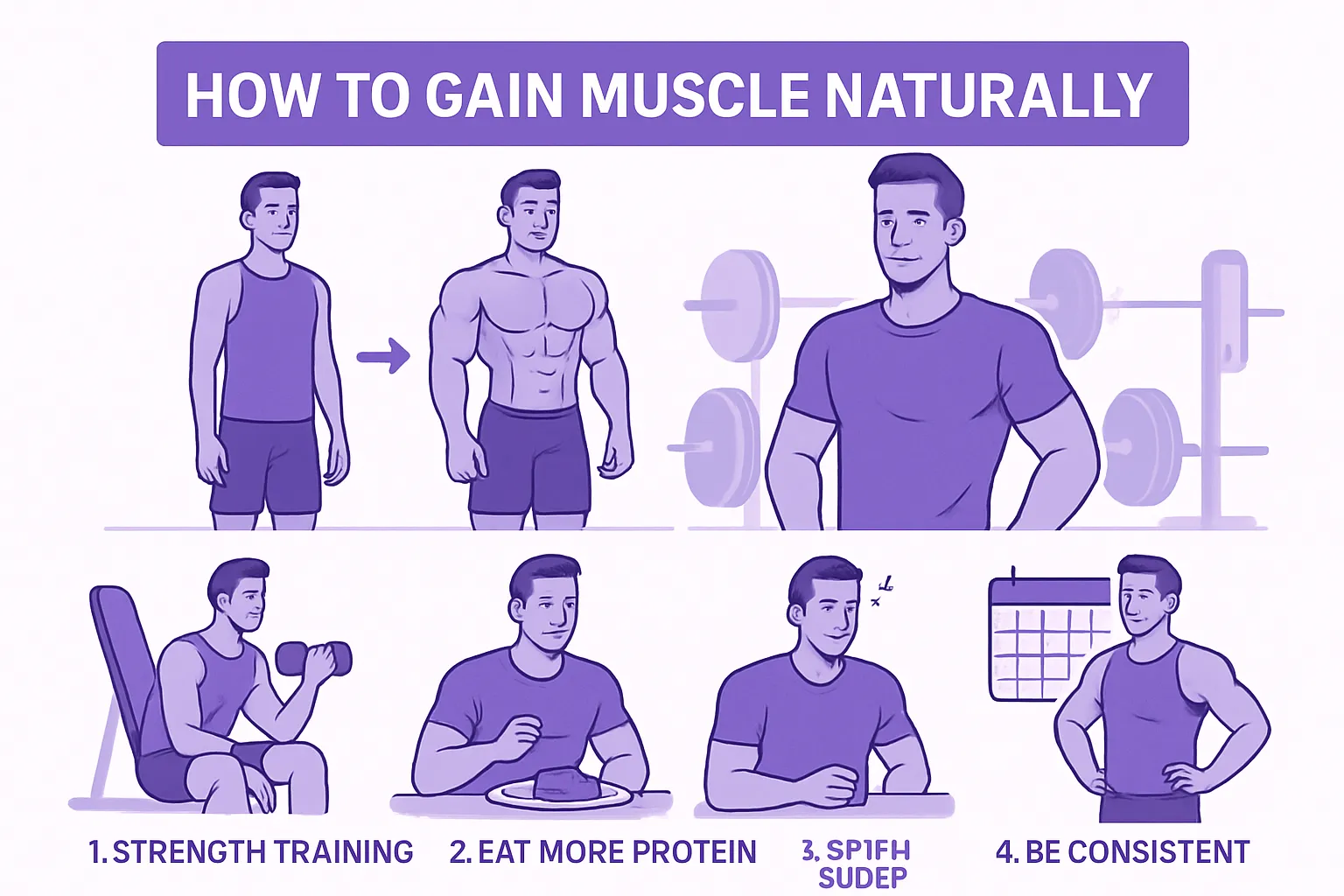
- Progressive Resistance Training – Challenging your muscles to do more over time
- Adequate Nutrition, Especially Protein – Providing the raw material for muscle repair
- Strategic Recovery – Allowing your body to rebuild and get stronger
Let’s dive into each area with actionable steps and tips that drive real results.
Step 1: Building Your Fitness Foundation – The Workout Plan
It’s tempting to jump into the latest fitness trends, but proven workout principles deliver the best muscle and fat loss outcomes. Here’s how Sarah and Mark approached their fitness routines:
- Train 3–5 Days Per Week: Full-body or upper/lower splits maximize training frequency and recovery.
- Resistance is Key: Focus on multi-joint lifts you can add weight to over time, such as squats, deadlifts, rows, presses, and pull-ups.
- Intensity, Not Just Volume: Aim for the last 2–3 reps to be genuinely challenging, but keep form strict.
- Use Progression: Increase weight, reps, or sets weekly, even in small increments.
- Don’t Ignore Cardio: Two short sessions/week boost recovery and aid fat loss, without hindering muscle gain if properly managed.
Sample Beginner Workout (3x/Week):
- Squats: 3 sets x 8–10 reps
- Push-Ups (or Bench Press): 3x10–12
- Barbell Rows: 3x8–10
- Romanian Deadlift: 3x10
- Plank Holds: 3x30 seconds
Don’t switch programs blindly—track your lifts, push for small improvements, and stay consistent for at least 8–12 weeks before considering a change.
Step 2: Nutrition For Muscle Growth And Fat Loss
Many fitness journeys stall because of ineffective nutrition. You cannot out-train a poor diet, especially when building muscle. Here’s what actually works, drawn from Sarah and Mark’s real-world strategies:
- Protein Is Non-Negotiable: Aim for 0.8–1 g protein per pound of bodyweight. Example: Sarah (126 lbs) targeted 110–120 g protein daily.
- Eat In A Slight Surplus: For muscle gain, add 200–300 daily calories to your maintenance needs. Mark calculated his using online TDEE calculators, then added homemade shakes to hit his numbers.
- Control Carbs and Fats: Don’t fear carbs or healthy fats; both fuel workouts and recovery. Spreads meals evenly throughout the day for maximum energy and muscle repair.
- Avoid Processed Foods: Focus on nutrient-dense foods. Sarah swapped sweets for Greek yogurt with berries, chugged water, and upped veggies.
- Skeptical of Supplements: Sarah and Mark saw results with food first. Only basic whey protein helped fill the gap if needed.
Example Muscle Gain Meal Plan:
- Breakfast: Oatmeal with whey protein and banana
- Snack: Greek yogurt + almonds
- Lunch: Grilled chicken, brown rice, veggies
- Snack: Tuna sandwich + fruit
- Dinner: Beef stir-fry with mixed vegetables, quinoa
Track your calories and macros (use tools like MyFitnessPal) for honest feedback. Adjust weekly based on weight and performance.
Step 3: Rest, Recovery, and Hormone Health
Rest is when your body truly builds new muscle. Skip this, and you risk burnout and stalled results. Here’s how to maximize recovery:
- Prioritize Quality Sleep: 7–9 hours nightly. Both Mark and Sarah noticed major improvements in muscle gain after boosting their sleep hygiene.
- Manage Stress: Chronic stress and high cortisol blunt muscle gains and fat loss. Meditation, walks, and unplugging from electronics helped Sarah recover better and stay leaner.
- Active Recovery: Gentle activities like stretching, yoga, or light cycling promote blood flow and healing without stressing muscles further.
Step 4: Tracking Progress And Adjusting Your Plan
Gaining muscle naturally is measurable. You need to track outcomes to avoid spinning your wheels. Best practices include:
- Track Strength: Are your lifts getting heavier over time? Mark recorded every set to ensure steady progress.
- Take Progress Photos: Sarah used monthly mirror selfies to notice body composition changes even when the scale barely moved.
- Measure Key Body Parts: Chest, upper arm, waist, and thigh circumferences reveal muscle gain better than weight alone.
- Review Every 4–6 Weeks: Adjust calorie intake, workout volume, or exercise selection based on your results—not on impatience.
Realistic Expectations: How Fast Can You Build Muscle?
Most fitness experts agree on these realistic muscle gain rates for natural lifters:
- Beginners: 1–2 lbs of muscle/month is possible for the first year if all variables are optimized
- Intermediate: 0.5–1 lb per month
- Advanced: 0.25–0.5 lb per month
Fat loss can sometimes accompany muscle gain (“recomposition”), especially for those new or returning to training. Don’t expect dramatic overnight changes—a six-month transformation is realistic and sustainable. Consistency beats perfection, every time.
Common Muscle Gain Mistakes (And How To Avoid Them)
- Chasing every new workout trend: Stick to proven basics and focus on getting stronger.
- Under-eating protein or calories: You can’t build muscle from nothing.
- Over-training or skipping rest: More isn’t always better; recovery is essential.
- Ignoring technique for ego lifting: Good form is safer and more effective for muscle growth.
- Neglecting tracking: If you’re not measuring it, you can’t improve it.
FAQ: Muscle Gain, Fat Loss, and Fitness Myths
-
Can I build muscle and lose fat at the same time?
Yes, especially for beginners, those returning after a layoff, or anyone significantly overweight. Prioritize protein, train hard, and keep calories only slightly below maintenance. -
How much protein do I really need to build muscle?
Scientific consensus is 0.8–1g per pound of bodyweight per day. -
Do I need supplements?
Not necessarily. Focus on whole foods; add whey protein or creatine only if you struggle to meet nutritional targets. -
Is cardio bad for muscle gain?
No; moderate cardio supports heart health and recovery. Just avoid excessive endurance training if muscle is your main goal. -
How long does it take to see real results?
Expect noticeable changes in 8–12 weeks, with dramatic improvements possible in 6–12 months with consistent approach.
Your Natural Muscle Gain Blueprint
Whether you’re starting from scratch or coming back after a setback, natural muscle gain is 100% achievable with the right strategy. Take inspiration from proven stories like Mark and Sarah—regular people who invested in smart training, honest nutrition, and daily consistency. Focus on the process, trust your plan, and give your body time to transform. Sustainable muscle isn’t built overnight, but your results, strength, and confidence will last a lifetime.
Ready to shape your best body? Start today—one workout, meal, and night of sleep at a time.